
Crypto Landsale
Loaded Lions Mane City: Fractured Fate



Photoreal 3D of a product that may not physically exist yet — its form, its finish, and the mechanism hidden inside the housing.
Brief us with CAD, packaging artwork, or a photograph of a sample, and we return a finished 3D build — modelled, textured, lit, animated, and rendered in-house — ready for reveal films, product pages, paid social, and the sales deck, wherever the launch lands.
Trusted by



































Loaded Lions Mane City: Fractured Fate
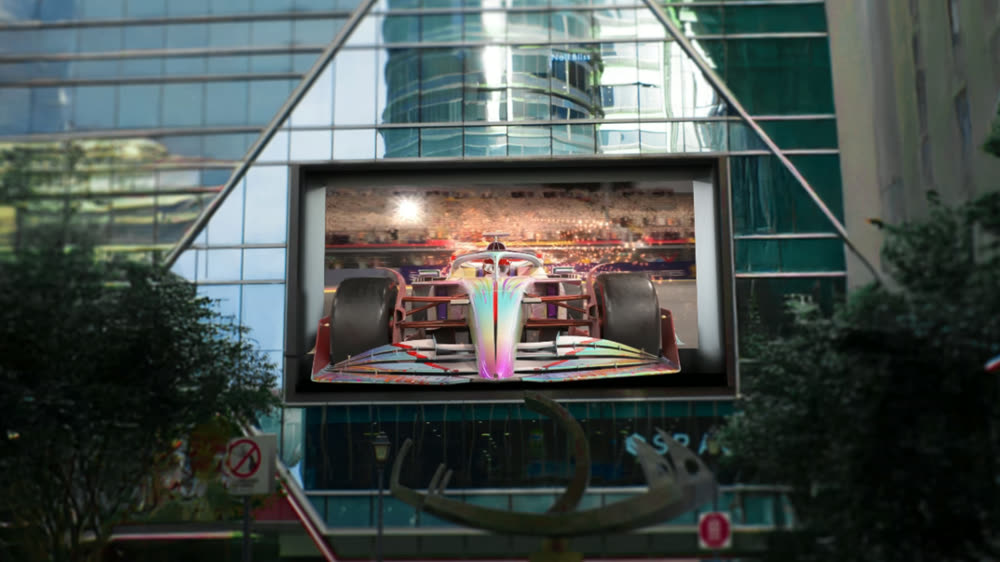
F1 3D Anamorphic
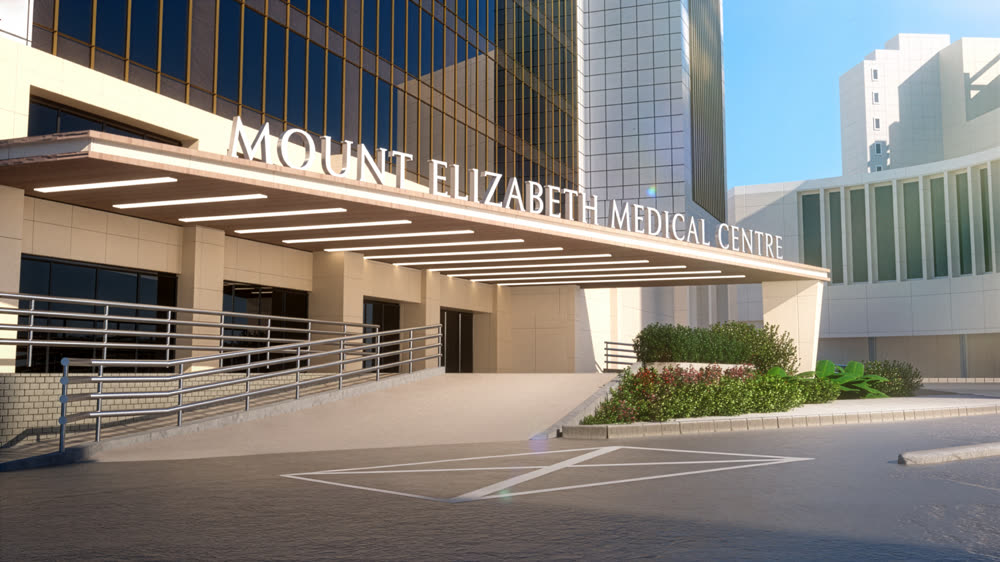
LizGallery Digital Art
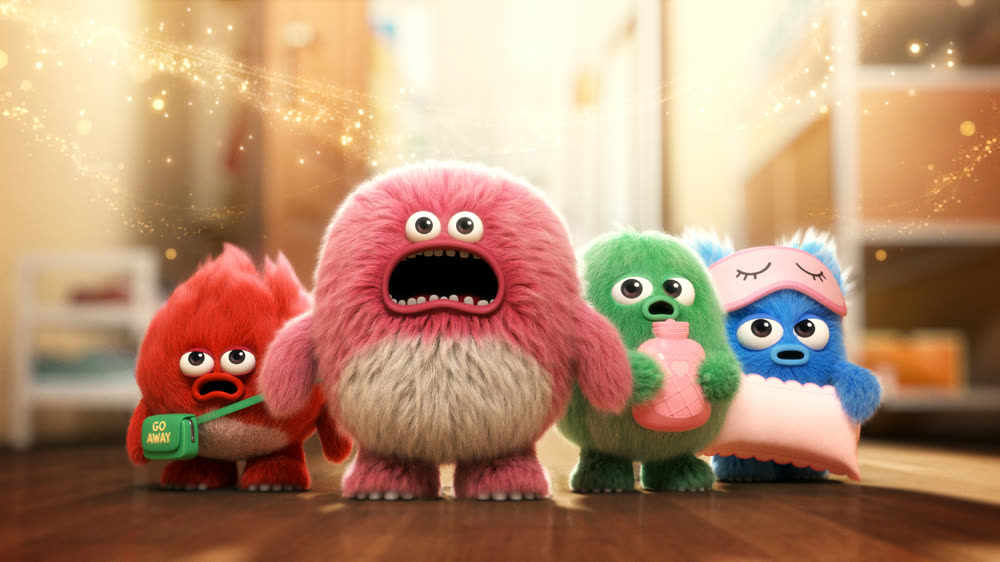
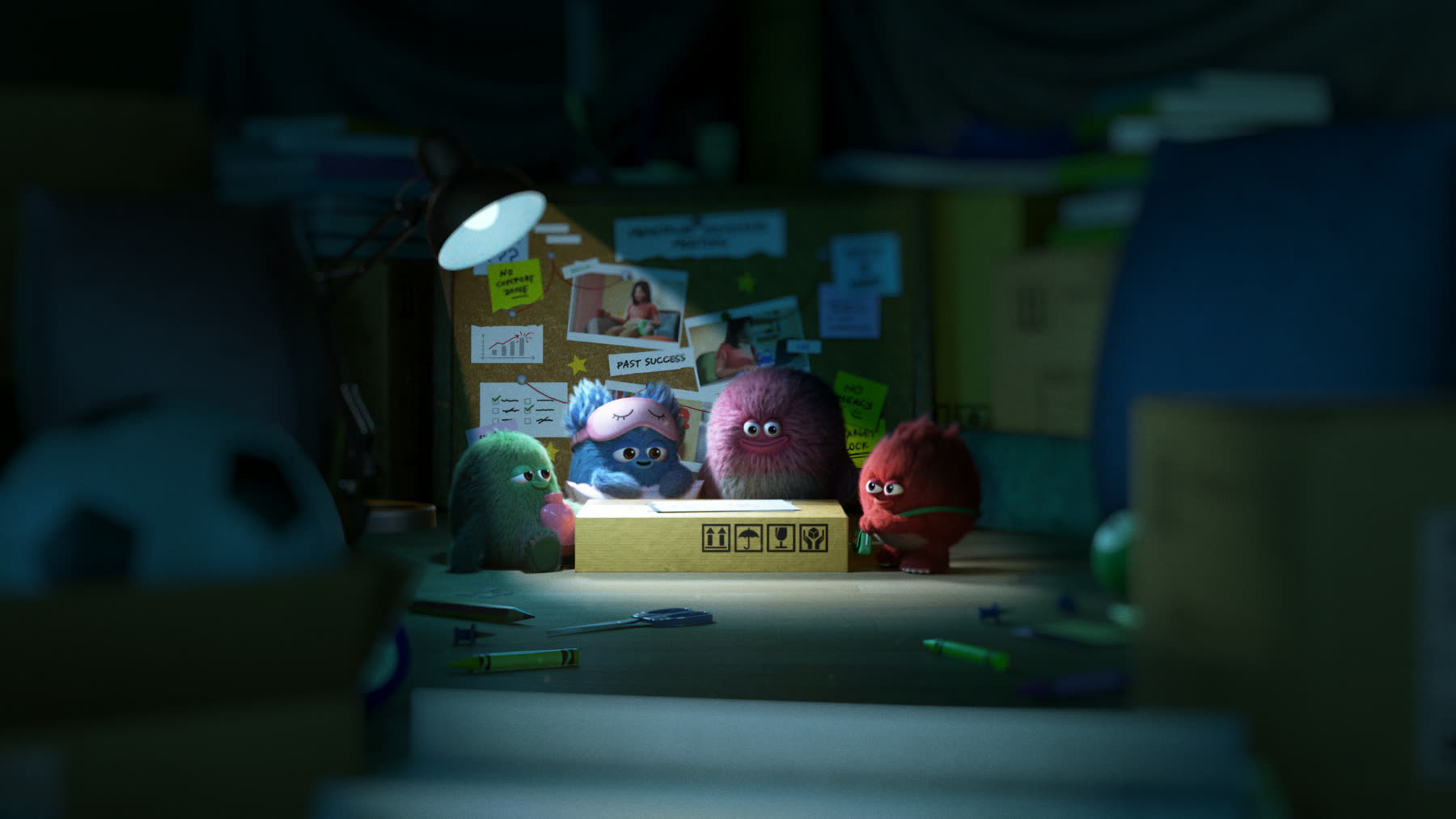
“Tame Your Menstrual Monsters” 3D Character Animation
Launch calendars rarely wait for a finished unit. Tooling slips, the colourway is still being signed off, and the only physical sample sits on the other side of the world — yet the campaign still needs footage. Building the product in 3D detaches the film from the factory: the render can exist months before the shelf-ready item does. It also removes the compromises a lens forces on you. Reflective metal, translucent gel, brushed finishes, and the mechanism buried under the casing all behave exactly as directed, because angle, light, and pace become decisions rather than conditions on a set. For teams selling hardware, skincare, wellness devices, medical equipment, and considered consumer goods, that is what separates a video that flatters a product from one that argues for it.
The second case is arithmetic. Once the models, materials, and lighting rigs exist, they keep earning — a reveal film, an exploded-view sequence, vertical loops for paid, 360 spins, and high-resolution stills all come off the same build, and a new variant or spec becomes a swap rather than a reshoot. Brands including Shiseido have worked this way across our Branding & Product Video projects, where the product is treated as the lead performer: every edge, reflection, and beat of movement is authored to make it read as credible, premium, and worth buying. Everything is produced in-house from end to end — modelling, look-development, animation, and post — across our offices in Singapore, Vancouver, Melbourne, and Jakarta, for brands wherever they sell.
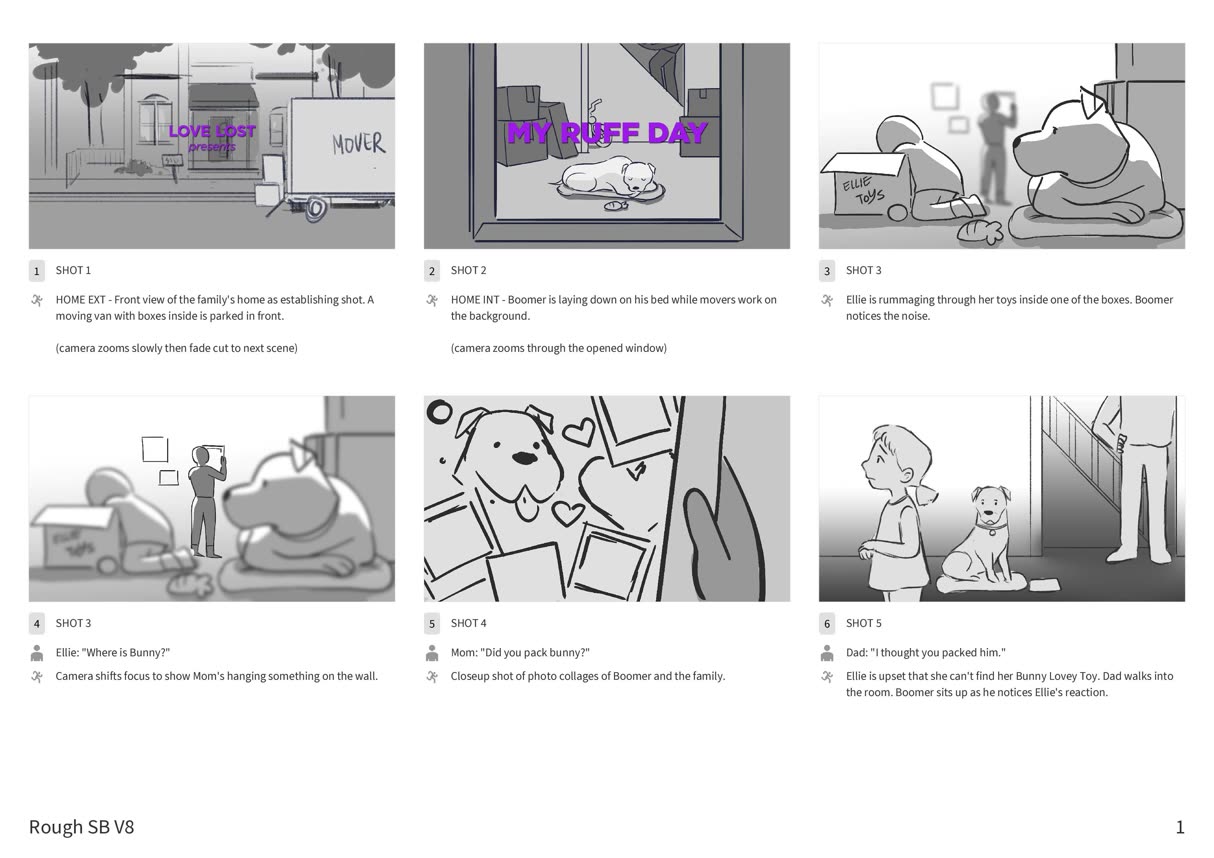

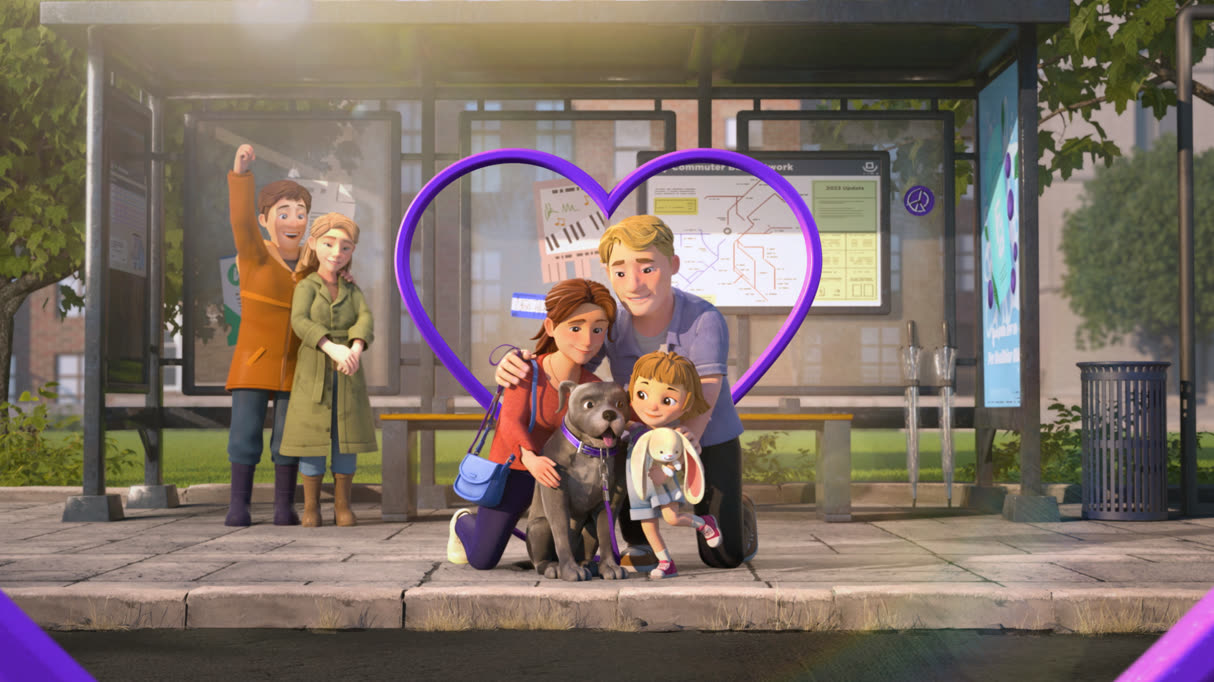
Scope follows the claim the product needs to win — how much gets modelled, how far the camera travels,
and which platforms the master has to feed. Five shapes the work usually takes.
Premium hero pieces that hold a new product at the centre of the campaign and build anticipation toward the date.
Best For:
New Product Launches / Brand Campaigns / Event Reveals / Flagship Films / Paid Media
Controlled, legible motion that demonstrates what the product does and why each feature is worth paying for.
Best For:
Tech Products / Sales Decks / Landing Page Videos / E-commerce / Product Launches
Pulling the product apart on screen to expose components, engineering, and how the assembly works together.
Best For:
Medical Devices / Engineering & Hardware / How-It-Works Explainers / Investor Decks / Trade Shows
Look-development for the surfaces that do the selling — glass, metal, fabric, skin, serum, and packaging stock.
Best For:
Skincare / Cosmetics & Fragrance / Wellness / Premium Goods / Packaging
Spins, loops, packshots, and short-form versions pulled from the same models so every channel stays matched.
Best For:
E-commerce Stores / Marketplace Listings / Paid Social / Reels & Shorts / Product Detail Pages
A predictable five-step process. No surprises, no scope creep.
Brief, audience, message, success metrics
Script, style frames, storyboard
Illustration, animation, sound design
Two structured rounds of revision
Final files, cutdowns, captions
FAQ
Anything that describes the product accurately: CAD or 3D files, packaging artwork, brand colour references, material specifications, or photographs of a physical sample. CAD is the fastest route, since the geometry is already resolved and we can move straight into materials. Where no files exist we model from photos, drawings, or a sample, and build an extra reference-and-approval step into the schedule.
We quote per project rather than from a rate card, because the drivers vary so widely: how many products sit in the build, how complex the modelling is, runtime and shot count, whether characters or environments appear alongside the product, render quality, how many platform versions you need, and how compressed the deadline is. Photoreal look-development on translucent or highly reflective surfaces takes longer than a matte object, and that shows up in the figure. Send the product files or a handful of references and we will come back with an itemised, scoped range before anything begins.
Plan for roughly 4–8 weeks between an approved brief and the final render. The stage that usually sets the pace is look-development — getting materials and lighting to read as the real object — and it stretches for translucent, mirror-finish, or finely detailed products. Usable CAD shortens it. Where a launch date is fixed, we protect it by locking the hero shot first and letting the cutdowns run alongside it.
Two checkpoints do most of the work. First a greyscale animatic, where camera, staging, and timing are agreed with no material cost attached. Then a look-development frame, where finish, lighting, and colour are signed off on a single image. Only once both are approved does the expensive final render run. Because the product lives entirely in 3D, a late change of angle, background, or colourway costs a fraction of what the same change would cost after a live shoot has wrapped.
Exactness is the point of building it digitally rather than shooting it. Label typography, logo placement, proportions, and surface finish are all held to spec, so the finished frame reads as the actual product and not a likeness of it. That accuracy comes out of what you hand over at the start: geometry files, the Pantone or brand values you sign artwork against, print-ready packaging, notes on finishes and materials, and a sample where one exists. It counts for most in beauty, premium goods, and medical or technical categories, where buyers inspect detail closely. If a variant or specification is still in flux, we structure the scene so swapping it later stays quick.
This page covers the product-focused end of our 3D work: physical objects, their features, materials, and mechanisms, built for launches and sales. Characters, mascots, environments, and architectural visualisation sit under our wider 3D animation services, and filmed product work sits under video production. Launches often mix the two — a photoreal hero render cut against live footage or a character — and one brief is enough to cover the whole set.
TESTIMONIALS
SuperPixel can be trusted to deliver creative animation work. Their experienced team is easy to work with, always available to guide us, and clear in managing project timelines and expectations. It has been a breeze working with them.


The event went smoothly, and it was a successful New Year's Eve celebration for us. Thank you, SuperPixel, for all the work and support you put into making it happen.

The work SuperPixel has provided us has been nothing short of great. Their revisions were spot on, and the final result matched what we had in mind. It has been a pleasure working with the team.

Really enjoyed working with SuperPixel, they are able to fully understand the creative needs of different projects given and deliver the animations accordingly. At the same time, the team is also very accommodating, clear and quick with their works.

The visuals were heartwarming and beautifully captured the story we wanted to share. It was a fantastic collaboration! The team's creativity and dedication brought our idea to adorable character, amplifying our message in a powerful way.
The animations enhanced our campaign! Delivering a polished and impactful message. The team's creativity and adaptability brought our vision to life effortlessly.

Send the CAD, the packaging, a photo of the sample, or just the idea. We’ll reply with the questions worth answering, a creative direction, and a clear next step — whichever timezone you’re in.