
Crypto Landsale
Loaded Lions Mane City: Fractured Fate



Characters, products, spaces and systems built in 3D —
so the camera, the light and the pace become decisions, not luck.
Four Superpixel studios — Vancouver, Melbourne, Singapore and Jakarta — have run the same 3D pipeline since 2015. Modelling, look development, animation, rendering and finishing answer to one director, so the previz you sign off is the master that lands.
Trusted by



































Loaded Lions Mane City: Fractured Fate
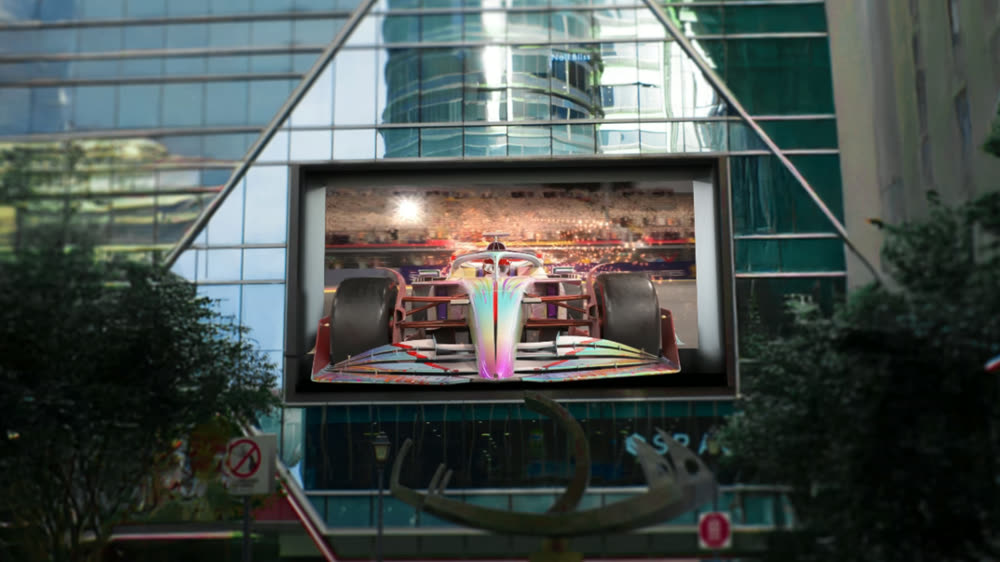
F1 3D Anamorphic
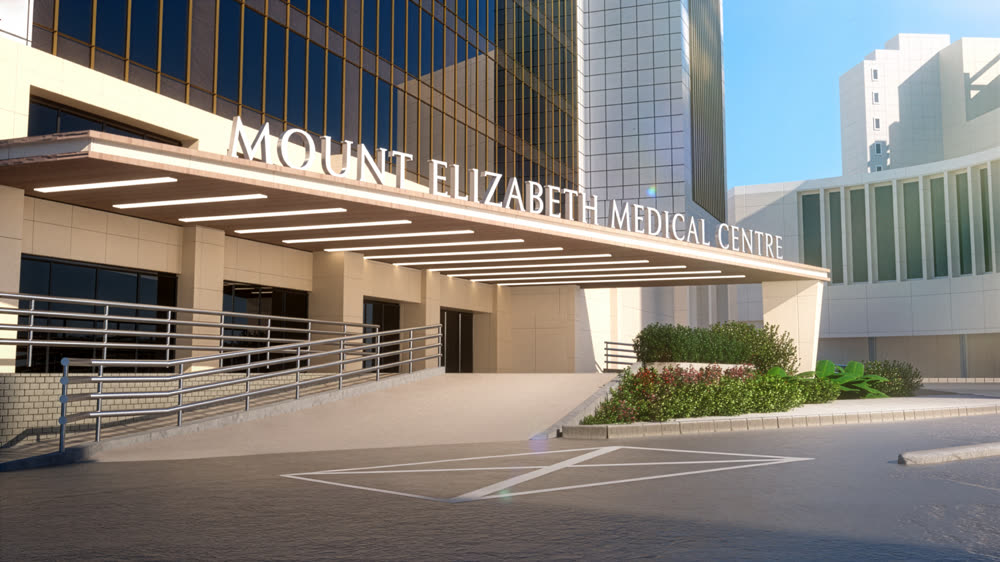
LizGallery Digital Art
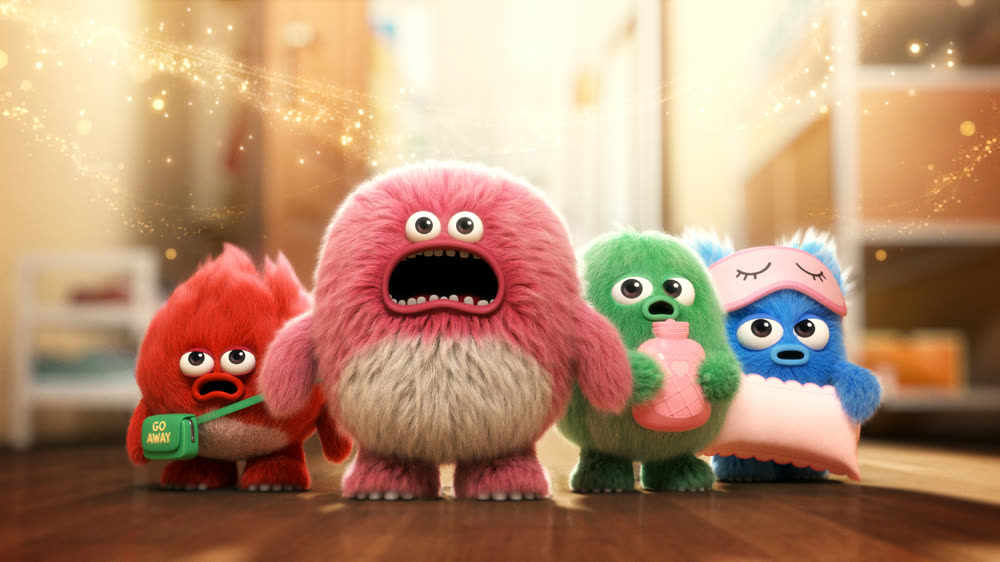
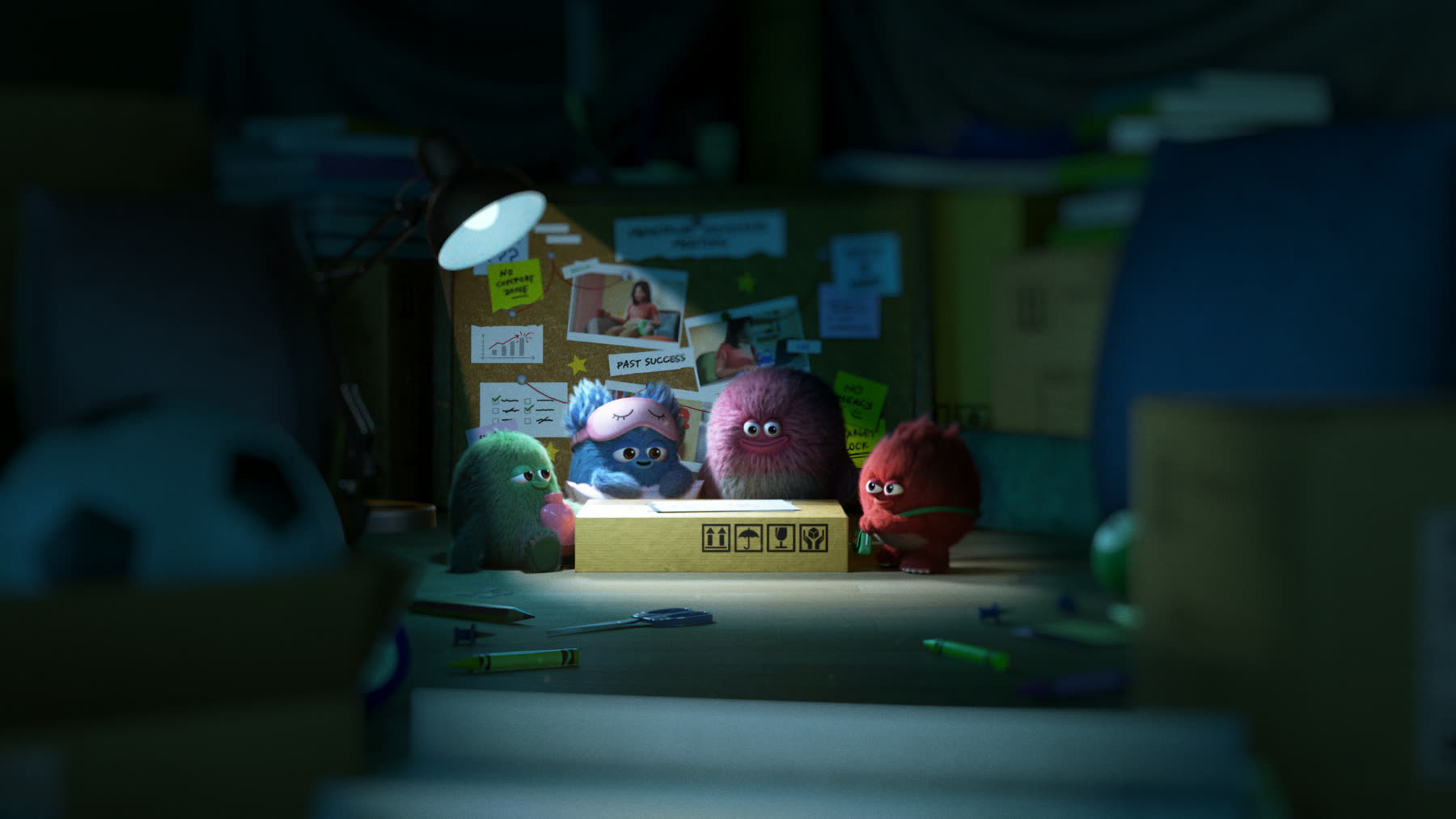
“Tame Your Menstrual Monsters” 3D Character Animation
Once a subject exists as a model rather than a shot, every variable turns into a choice. Lens, lighting, scale, pacing, the cutaway that opens a sealed mechanism, the character who has never existed — each one is directed rather than found on the day. That is the working case for 3D: it reaches subjects no camera can reach, and it holds them steady long enough to be understood.
One pipeline covers a launch product, a brand character, an unbuilt space and a process nobody can photograph, so a single brief can span all four without adding vendors. Our teams across four offices run that pipeline together and deliver remotely, and the assets keep earning afterwards — a new variant, a re-cut or a market-specific version rarely means starting the build again.
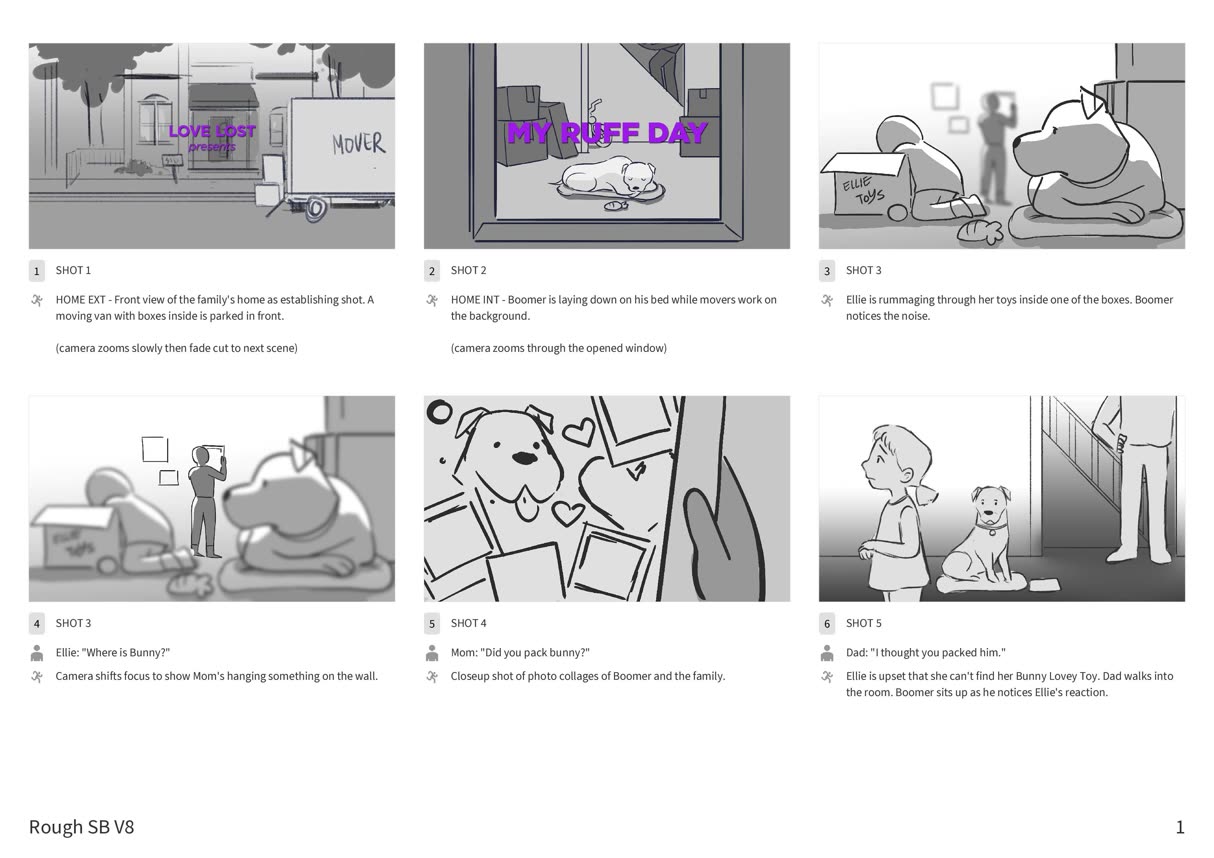
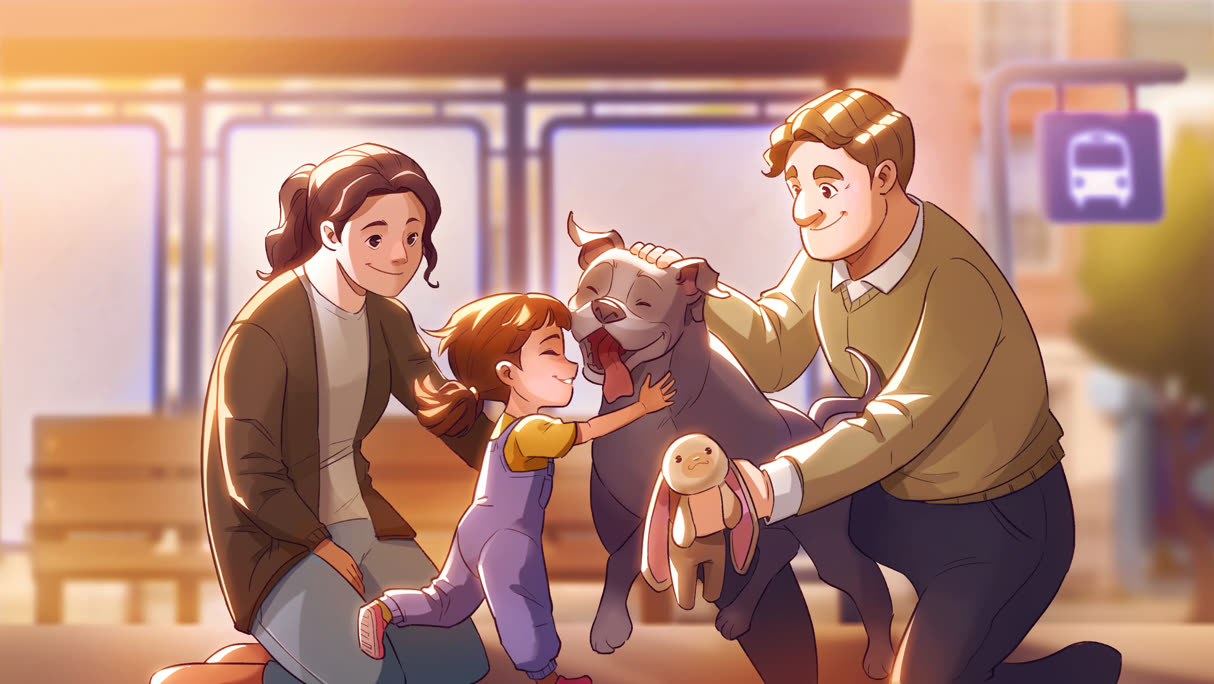
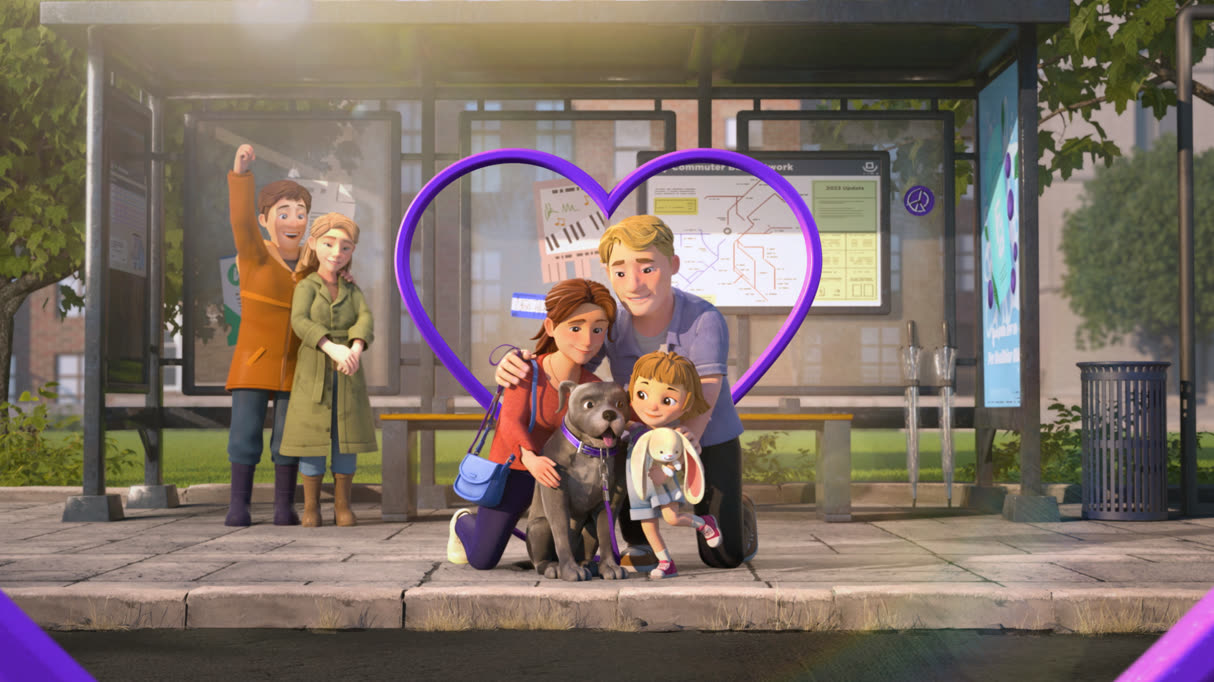
Five kinds of 3D we get briefed for most. Where several of them meet in one campaign, we scope
them together so the models, materials and lighting carry cleanly across every piece.
Personality first: figures built and rigged so they can actually act — mascots, campaign leads and recurring cast with enough range to carry a run of work rather than one spot.
Best For:
Mascot Launches / Episodic Series / Sponsorship Idents / Learning Content / Loyalty Programmes
Interiors, developments, exhibitions and retail concepts built to scale and lit properly, so a space can be walked through long before it exists.
Best For:
Masterplan Reveals / Fit-Out Studios / Hotel & Resort Groups / Trade Stands / Flagship Stores
Features, materials, finishes and moving parts shown exactly as intended, including the internals and cross-sections a lens would never get to.
Best For:
Hardware Reveals / Appliance Ranges / Skincare & Fragrance / Surgical Instruments / Distributor Decks
Services, workflows and invisible systems staged in three dimensions, so the audience follows the logic without a paragraph of setup first.
Best For:
Service Walkthroughs / Clinical Workflows / Deep-Tech Comms / Supply-Chain Stories / Board Briefings
Loops, teasers, hero stills and short-form edits drawn from the same build and sized for whichever feed or placement is carrying the spend.
Best For:
Feed-Native Cutdowns / Pre-Roll / Retail Screens / Landing Page Heroes / Out-of-Home Stills
A predictable five-step process. No surprises, no scope creep.
Brief, audience, message, success metrics
Script, style frames, storyboard
Illustration, animation, sound design
Two structured rounds of revision
Final files, cutdowns, captions
FAQ
Less than most people expect. A written description, sketches, packaging artwork, site photos or technical drawings are all workable starting points, and we build from nothing when the subject exists only as an idea. Where CAD, product files or existing rigs are already in your hands, pass them over early — we will tell you what runs straight into the pipeline and what needs rebuilding or cleaning up first.
That gets settled in writing before modelling begins, not after delivery. Tell us at briefing which markets, channels and licence period the work has to cover — paid media across several territories, in-store screens and a permanent product page all pull in different directions. Scoping them at the outset costs far less than reopening a finished build later.
Yes, and it is worth flagging while the storyboard is still open. Text, voice-over, on-screen units and any culturally specific detail get kept separate from the animation itself, so a market version means swapping a layer rather than re-rendering the sequence. Our four offices sit across several time zones, which means regional versions often move overnight relative to wherever your team sits.
The build, far more than the finished runtime. Scene count, how intricate the modelling and rigging get, whether people or creatures appear on screen, how photoreal the materials have to be, the length of the deliverable list and how compressed the calendar is — those are the levers. Put the brief in front of us with whatever references you have, and we will scope it and come back with a range that holds up in planning.
Product and explainer pieces are usually measured in weeks. Character work and larger environments need longer, since rigging and look development finish before anyone animates a frame. The other variable is your side — approvals stall schedules more often than production does, so we fix the sign-off points at kick-off and count backwards from your date. Briefing and review run on shared links and versioned renders, which is how we have worked with clients on other continents since 2015.
Quite a lot, because the models, materials and lighting already exist. The same build yields hero stills at print resolution, packshots, key visuals, vertical and square recuts, short teasers and looping assets for whichever placement is carrying the spend. Name the platforms during the brief and we can stage scenes and cameras so those versions export in one pass instead of returning as a second project.
TESTIMONIALS
SuperPixel can be trusted to deliver creative animation work. Their experienced team is easy to work with, always available to guide us, and clear in managing project timelines and expectations. It has been a breeze working with them.


The event went smoothly, and it was a successful New Year's Eve celebration for us. Thank you, SuperPixel, for all the work and support you put into making it happen.
The work SuperPixel has provided us has been nothing short of great. Their revisions were spot on, and the final result matched what we had in mind. It has been a pleasure working with the team.

Really enjoyed working with SuperPixel, they are able to fully understand the creative needs of different projects given and deliver the animations accordingly. At the same time, the team is also very accommodating, clear and quick with their works.

The visuals were heartwarming and beautifully captured the story we wanted to share. It was a fantastic collaboration! The team's creativity and dedication brought our idea to adorable character, amplifying our message in a powerful way.
The animations enhanced our campaign! Delivering a polished and impactful message. The team's creativity and adaptability brought our vision to life effortlessly.

Most of these projects begin half-formed, and that is fine. Tell us what the thing has to do, and we’ll come back with a straight read on whether 3D is the right route and what building it would genuinely involve.