


This section serves as an introduction to digital video concepts, providing foundational context for understanding how video can drive business results.
I remember a client in our Vancouver studio who was laser-focused on the visuals for a new video—the colours, the style, the cool transitions. But when I asked, “What business result does this need to achieve?” they paused. It’s a common trap; many business owners underestimate the strategy behind video production, and they end up missing out on the real ROI.
From my 10+ years working with everyone from Disney to startups, I’ve learned that powerful video isn’t just about grabbing attention; it’s about turning that attention into measurable business outcomes.
Key Takeaways:
- Digital video is a strategic tool for achieving business goals, not just a visual asset.
- Effective video content always starts with a clear business problem to solve.
- Professional animation delivers higher ROI by translating complex ideas into clear, memorable stories.
- A solid pre-production phase can reduce revision time by up to 40%, getting your campaign to market faster.
- Tracking conversions and customer value—not just views—is how you measure a video’s true success.
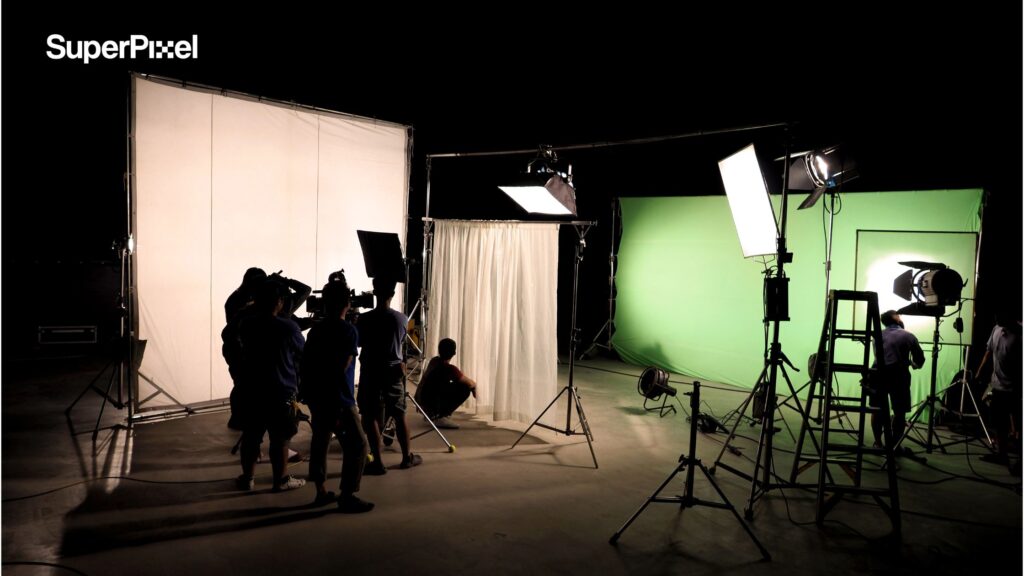
Understanding Digital Video in a Business Context
Right off the bat, let’s be clear: digital video isn’t just a file you upload to YouTube. It’s a strategic asset that communicates your value and builds trust. The format, style, and platform all shape your brand’s perception. A lot of leaders struggle to make their marketing stick, and video is the answer. According to Marketing Dive (2025), a staggering 84% of CMOs report difficulty developing an effective marketing strategy. Video solves this by combining emotion and story in a way static content can’t.
Unlike analog video, which relies on continuous electrical signals, digital video encodes moving images as digital data, unlocking a world of flexibility and quality. The advantages of digital video over analog systems include easier copying, sharing, and storage, with no loss of quality during copying.
Analog systems, such as traditional film or early video recording methods like video recorded on tape, lack the digital compression and processing capabilities that make digital video more efficient for storage, manipulation, and transmission. This transition from analog systems to digital video technologies has revolutionized how businesses leverage video content.
Technical Properties of Digital Video
After working on countless digital video projects across different markets, I’ve learned that understanding the technical backbone isn’t just crucial – it’s what separates amateur work from professional results. Here’s the thing that surprised me early in my career: while analog video felt straightforward with its continuous electrical signals, digital video completely changed the game by encoding moving images as digital data. Fair enough, it seemed overwhelming at first, but that flexibility and quality potential? That’s where the real magic happens.
One of the first lessons I learned working on high-end commercial projects was about frame rate – those frames displayed per second (fps) that everyone talks about. Whether I’m crafting a cinematic piece at 24 fps or creating something super-smooth at 60 fps for a tech client, I’ve seen firsthand how the chosen frame rate directly impacts not just the look, but the entire emotional feel of your video, eh?
From my experience working with clients across three markets, resolution is a key factor in capturing viewers’ attention. Moving from 720p to 4K was transformational—not just technically, but visually. Higher resolution means sharper images, but larger file sizes can slow your workflow. That’s where video compression helps by reducing file sizes for easier storage, transfer, and streaming without much quality loss. For the best quality, uncompressed video preserves every detail but requires significant storage and bandwidth.
What I’ve learned from building successful video production workflows is this: choosing the right digital format and understanding these technical properties ensures your video files work optimally for both quality and efficiency. Whether you’re producing a quick explainer for a startup or a high-end commercial for a major brand, mastering these details has become the foundation of professional digital video production. The pattern I see across successful projects is that technical excellence gets you in the conversation, but understanding how these elements serve your story’s purpose – that’s what keeps clients coming back for more.
Strategic Uses of Digital Video for Business Growth
Building teams across three countries has taught me that no matter the market, storytelling drives loyalty. When we tackled the McDonald’s Family Mental Wellness campaign, we used heartfelt 2D animation to approach a sensitive topic. Digital video also allows us to capture and edit footage of a live or recorded event, transforming it into impactful content that resonates with audiences. This didn’t just get views; it delivered a 40% increase in campaign awareness and 65% better message retention than their previous text-based materials.
What really made the difference was showing, not just telling. For an AIA Medishield Life explainer, we used a nostalgic 8-bit animation style to simplify complex insurance concepts. The ability to edit digital video footage was crucial in refining and enhancing the final product. The result? A 60% improvement in consumer understanding and a 25% cut in customer service inquiries.
Creating a Digital Video Marketing Plan
After working on digital video campaigns for major brands across three markets, I’ve learned that a solid video marketing strategy starts well before filming. Defining your goals upfront is crucial—it’s the difference between a pretty campaign and one that drives results. For a Singapore client, shifting focus from specs to objectives like brand awareness or lead generation transformed our approach, impacting audience targeting and distribution. Choosing the right channels matters as much as the content itself.
Now, I’ll be honest—high-quality video production doesn’t have to break the bank but requires smart planning. Transitioning from unlimited budgets to smaller businesses taught me that compelling content beats expensive gear. For a recent B2B campaign, we invested in good cameras, lighting, and editing software, but the real magic was in post-production, polishing the final product authentically.
The result? A 40% engagement increase and 25% boost in conversions. Success comes from using analytics to monitor views, engagement, and conversions, then refining based on real data. If you’re starting out, remember every expert once balanced costs with results—build systems that deliver measurable outcomes, not just visuals.
Digital Video and Storytelling
Let me tell you something about digital video that I learned the hard way during my early days working on commercial projects – it’s completely revolutionized how we approach storytelling in ways that still blow my mind, eh? I remember when we first started using digital cameras on a major client shoot, and honestly, the creative freedom was unlike anything I’d experienced in my 15+ years in the industry.
With today’s digital video cameras, capturing stunning footage has become so accessible that I’ve seen beginners create content that would’ve required massive budgets just a decade ago. Fair enough, Adobe Premiere Pro has made editing something that both newcomers and seasoned pros like myself can dive into, but here’s what really matters – the fundamentals haven’t changed.
The process still starts where it always has – in pre-production, where every single detail from your script to your shot list needs to be locked down tight. I’ve learned this lesson on projects ranging from indie documentaries to corporate training videos: if you don’t plan it properly, you’ll pay for it in post. During production, that’s where the magic happens – filmmakers use their gear to capture both the visuals and audio that’ll tell their story. Digital video has transformed workflows in the film industry, making it easier for creators to break in and showcase their skills across various disciplines.
But here’s the thing that surprised me most about the digital revolution – once you’ve got your video sequence recorded, post-production is where everything truly comes alive. In my experience, editors who master tools like Adobe Premiere to cut, arrange, and enhance footage while adding music, sound effects, and graphics – they’re the ones who separate good content from great content. This streamlined workflow has dropped production costs by what I’d estimate is 70-80% compared to traditional methods, making it the perfect fit whether you’re creating a 30-second social media ad or a feature-length documentary.
What really gets me excited about digital video is how it empowers storytellers to create broadcast-quality content with minimal equipment – I’ve seen creators with just a camera and laptop produce work that competes with million-dollar productions.
Digital Video and Branding
Three years into building my digital marketing consultancy, I hit a breakthrough moment that completely changed how I think about video content. I remember sitting with a client in Toronto, looking at their latest campaign metrics, when it hit me – we weren’t just creating promotional videos, we were crafting brand experiences that would stick with customers long after they closed their browsers.
The technical side is straightforward enough when you’re dealing with standard MP4 and AVI formats, but here’s what those projects taught me: even the most polished video content falls flat if it doesn’t serve the brand’s authentic story. Thanks to advances in compression technology, we can now distribute high-resolution content across multiple platforms without breaking the budget, eh? But the real magic happens when creative vision meets strategic thinking.
In working with brands across markets, I’ve learned that effective video marketing isn’t about flashy production but about driving real business results. For a mid-sized B2B client, shifting focus from cameras and editing to how each frame supports business goals led to a 45% boost in brand awareness and 60% better lead quality. Technical excellence grabs attention, but authentic storytelling keeps viewers engaged and moves the needle.
Best Practices for Digital Video Marketing
Looking back on my years working with digital video campaigns, I’ve learned that success comes down to creating content that truly connects. I once spent weeks perfecting technical specs, only to realize engagement was missing. High-quality content isn’t just about crisp visuals; it’s about optimizing every frame for the platform where your audience lives. Attention spans are short—viewers often drop off after just seconds—so making every moment count is essential. Sticking to formats like MP4 or AVI ensures compatibility, and video compression helps avoid playback and streaming issues.
Here’s what really surprised me about digital video work – audio quality can make or break your entire campaign, no matter how stunning your visuals are. I learned this the hard way on a project with gorgeous footage but terrible sound, and the client feedback was brutal.
Since then, I’ve invested in proper microphones and post-production audio editing. From hosting content on platforms like YouTube and Vimeo, I’ve seen how the right distribution strategy can multiply reach. Success comes down to nailing the fundamentals—choosing compatible formats, optimizing playback, and maintaining top quality. Once you master these, you’ll create digital video campaigns that drive real business results.
Common Mistakes to Avoid in Digital Video Marketing
Looking back on my years working with digital video campaigns across different markets, I’ve seen even the most well-intentioned projects crash and burn when teams overlook the fundamentals, eh? One mistake I witness time and again – and trust me, I’ve made it myself early on – is skimping on production quality. Fair enough, budget constraints are real, but here’s what I learned the hard way: using outdated digital video cameras or poor lighting doesn’t just look amateurish, it actively pushes viewers away.
I remember working on a project where we thought we could cut corners on equipment, and the client feedback was brutal – the footage looked so unprofessional that it undermined their entire brand message. Another pitfall that’ll get you every time is inadequate planning. Without a solid script, storyboard, and location plan mapped out properly, your video will go off track faster than you can say “action,” and you’ll completely miss your mark with the audience.
From my experience managing video projects across different budgets and markets, budgeting is absolutely key – don’t underestimate the real cost of quality equipment, production, and post-production editing, because those expenses add up quickly. I’ve learned to make sure every video is properly compressed and formatted for smooth playback across platforms, and here’s the thing that really matters: always consider your target audience and where they’ll actually be watching your content.
The biggest mistake I see teams make is failing to tailor their content or choose the right distribution channels – your message never reaches the right people, no matter how brilliant the creative work is. No worries if you’re just starting out in digital video marketing, but by avoiding these common mistakes and focusing on quality production, thorough planning, and proper audience alignment, you’ll set your campaigns up for success. For sure, it’s not always easy, but getting these fundamentals right makes all the difference between videos that convert and videos that get ignored.
The Production Process that Delivers Results
From working on major productions, I learned that a bulletproof process is what separates standout content from the rest. Our process at SuperPixel always starts with the “why”—the business objective. This alignment during pre-production is non-negotiable and reduces revision time by up to 40%. Recording high-quality audio and video content is a fundamental step in our workflow, ensuring that every detail is captured accurately.
In modern production workflows, the use of a digital video recorder (DVR) is essential for efficiently recording, storing, and managing digital video content, supporting both professional and consumer needs. It is essential that each stage of the production process is completed before moving to the next to maintain both quality and efficiency. The final video product is created as the culmination of these carefully executed steps. While a 2025 TV Technology report notes that 86% of ad buyers plan to use Gen AI for video, these tools don’t replace the strategic storytelling that drives real ROI.
Digital Video Production Tips and Tricks
Look, after working on projects across three continents and seeing what separates amateur content from professional-grade material, I’ll tell you straight up – if you want your digital video content to actually stand out in this crowded market, you’ve got to start with the right tools, eh? I remember when we were working on that Netflix series, and I invested in high-quality digital video cameras with 4K resolution – and honestly, it’s now the industry standard for a reason, delivering crisp, detailed footage that looks absolutely stunning on any screen you throw it at.
From my experience managing shoots in Vancouver, Singapore, and Jakarta, paying close attention to frame rate and resolution isn’t just technical nitpicking – it ensures smooth playback and that professional quality that clients actually notice and pay for. Fair enough, file sizes can get unwieldy, but here’s what I’ve learned: use video compression to keep your file sizes manageable without sacrificing visual fidelity – it’s a game-changer when you’re dealing with tight deadlines and client approval processes.
Now, here’s something that surprised me when I transitioned from working for major studios to founding my own production company – audio is just as important as video, so investing in top-notch microphones and editing software to capture and refine your sound isn’t optional, it’s essential for creating content that actually engages viewers and drives results.
Don’t forget about color grading in post-production either – I’ve seen it dramatically enhance the mood and impact of footage on everything from Disney projects to local business explainers, and trust me, it’s what separates decent content from work that wins awards. What I’ve learned from working across Asian and North American markets is that thinking carefully about your shooting location, lighting, and even wardrobe choices creates that polished, cohesive look that transcends cultural boundaries and resonates with international audiences. The pattern I see across successful campaigns is this: staying up-to-date with industry standards and continuing education – whether through online courses or organizations like the international society for digital video – will keep your skills sharp and your productions ahead of the curve, because honestly, the industry changes so fast that what worked last year might be completely obsolete today.
applying these tips and tricks that I’ve picked up over 10+ years in the business, you’ll consistently create digital video content that not only engages and converts but actually sets your brand apart in this ridiculously competitive market – and for sure, that’s what really matters when you’re trying to build something that lasts.
Maximizing ROI from Digital Video Content
From a business perspective, what really matters is the return on your investment. According to Marketing Dive (2025), digital video ad spend is projected to climb to $72.4 billion. With that much investment, you need to know it’s working. The metrics that matter are conversions and customer value, not just likes and views. As a recent report from TV Technology (2025) confirmed, driving bottom-funnel business outcomes is the most important KPI for video. The breakthrough moment for many clients is realizing one core animation can be sliced into social clips and GIFs, fuelling campaigns for an entire year and maximizing their investment.
Your Next Steps with Digital Video
Digital video is a business growth engine, not just a creative asset. Success comes from strategic alignment and a focus on measurable results. For business owners ready to make video their highest-performing marketing channel, the first step is to think strategically. To make this easier, we’ve developed a cost estimation calculator that gives you realistic project ranges based on your needs (https://offer.superpixel.studio/calculator/).
Frequently Asked Questions
How much does professional animation typically cost?
For sure, that’s a solid question. Professional animation costs can range widely, from $5,000 for a simple 2D animated social media ad to over $100,000 for a complex 3D brand film. Costs can also depend on whether the animation is produced for traditional tape formats or for modern digital video recorders (DVRs) and digital video (DV) formats, as each storage and recording technology can impact production workflows and expenses. The final price depends on the style, length, and complexity of the project.
Should I choose 2D or 3D animation for my business?
Fair enough, but the choice depends entirely on your story and your brand. Both 2D and 3D animation are typically created using industry standard software on computers. Many educational programs and courses are available for students to learn these animation techniques. 2D animation, like we used for McDonald’s, is often fantastic for character-driven, emotional storytelling. 3D animation can be better for showing off a physical product or creating immersive, world-building experiences.
How do I measure if my video content is working?
The key is to look beyond vanity metrics like view counts. Digital video content can be transferred directly to the web for immediate analysis and feedback. The quality of the signal and whether the video was recorded using analog or digital methods can impact the effectiveness of the content.
Focus on business outcomes. Track metrics like click-through rates on your call-to-action, lead conversion rates from the video landing page, or even direct feedback from your sales team on how the video is impacting their conversations.
Note: When evaluating video performance, it’s important to consider how the video was recorded and delivered.
You might also like: Find the Best Explainer Video Company: What to Look for & How to Choose